
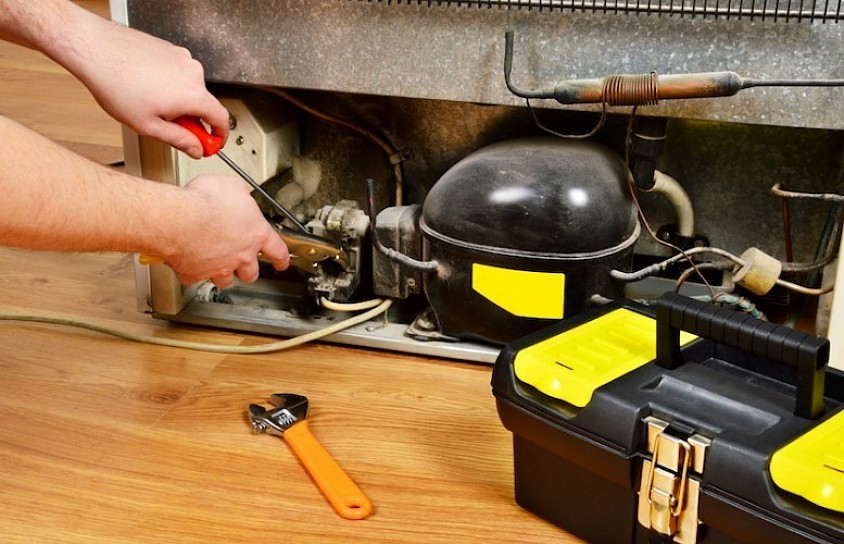
Smart Maintenance and Timely Repairs: Trends Shaping the Appliance Repair Industry
Understanding Today’s Appliance Repair Landscape
Modern households depend on a network of appliances that keep daily life running smoothly. When something goes wrong, the difference between a quick fix and a prolonged disruption often comes down to smart maintenance, informed decisions, and skilled service. The appliance repair industry continues to evolve, emphasizing preventive care, accurate diagnostics, sustainable practices, and a clearer customer experience from first call to final test cycle.
Rising Importance of Preventive Care
Preventive care has become a cornerstone of reliable performance. Simple steps—cleaning refrigerator condenser coils, checking dryer vents for airflow, inspecting door gaskets for a tight seal, and keeping dishwasher filters clear—reduce wear and tear while improving efficiency. Regular maintenance not only minimizes unexpected breakdowns but also helps technicians spot small issues early. This approach keeps appliances running closer to their designed specifications and extends useful service life without resorting to premature replacement.
Parts Availability and Quality Considerations
Parts sourcing can make or break a timely repair. Reputable technicians prioritize high-quality, compatible components that meet manufacturer specifications. Using the right part matters for safety, performance, and longevity. Lead times can vary based on model age and brand ecosystem, so clear communication about availability sets realistic expectations. When parts are discontinued, experienced pros suggest practical alternatives, weighing cost, fit, and reliability. This careful balance helps families get back to normal while protecting the appliance against repeat failures.
The Role of Diagnostics and Training
Accurate diagnostics saves time and money. From multimeter testing to software-based error code interpretation, the best outcomes start with methodical troubleshooting. Well-trained professionals stay current with evolving technology, including inverter-driven motors, smart connectivity, and advanced sensors. This knowledge reduces guesswork and prevents unnecessary part swaps. Thorough testing after a repair—verifying temperatures, spin balance, drainage, ignition, or defrost cycles—confirms the root cause was addressed. The result is fewer callbacks and a more confident homeowner.
How to Choose a Reliable Appliance Repair Professional
Selecting the right service partner is as important as the repair itself. Consider the following checklist when scheduling a visit:
1. Confirm expertise with your specific appliance type and brand to ensure informed troubleshooting and correct parts selection.
2. Ask about diagnostic approach and testing procedures so you know how the technician validates the fix before leaving.
3. Clarify parts sourcing practices to understand whether components meet manufacturer standards and availability timelines.
4. Review scheduling windows and communication methods to stay updated on arrival times, parts orders, and next steps.
5. Request a clear scope of work that explains the issue, recommended repair, and any maintenance tips to prevent recurrence.
6. Discuss cleanup and safety protocols, including handling of sharp edges, electrical disconnection, and proper reassembly.
Sustainability and Repair Over Replace
Repair-first thinking supports both budgets and the environment. Many performance problems stem from wearable parts—belts, pumps, valves, fans, igniters, or sensors—that can be replaced efficiently. When an appliance remains structurally sound and parts are accessible, repair tends to be the responsible path. Technicians also advise on proper disposal and recycling when replacement becomes the sensible choice, ensuring materials are handled responsibly and older units don’t become hazards.
Customer Experience and Transparent Communication
Clear, timely communication defines a positive service experience. From the initial description of symptoms to the on-site evaluation, homeowners benefit when every step is explained in plain language. Upfront discussions about timelines, potential complications, and maintenance habits reduce surprises. After completion, a concise summary of the work performed and guidance on care—like leveling a washer, balancing loads, or cleaning venting—helps maintain performance. When customers understand the why behind a repair, they make better decisions the next time an issue arises.
As appliances grow more sophisticated, skilled diagnostics, quality parts, and preventive care remain the pillars of dependable operation. With the right approach, homes stay comfortable, efficient, and ready for whatever the day brings.

Inside the Appliance Repair Company Industry: What Homeowners Should Know
The Role of Professional Appliance Repair in Modern Homes
When a major household machine falters, the disruption can ripple through daily routines. The appliance repair company industry exists to restore normalcy quickly, safely, and cost-effectively. From pinpointing the root cause of failures to optimizing performance after a fix, trained technicians help extend the life of essential equipment while reducing waste and downtime.
Common Issues That Drive Service Calls
Many service visits begin with familiar symptoms: a refrigerator that won’t maintain a steady temperature, a washer leaving clothes sopping wet, an oven failing to heat evenly, or a dishwasher that intermittently leaks. Behind these problems are often wear-and-tear components such as door gaskets, thermostats, heating elements, pumps, and sensors. A methodical inspection can separate minor part failures from broader system issues, preventing guesswork and unnecessary part swaps.
Smart Diagnostics Before Replacement
Informed troubleshooting saves time and money. A seasoned technician evaluates error codes, listens for unusual sounds, tests electrical continuity, and inspects airflow or water flow. These steps help determine whether a repair is wise or if replacement is the better route. In many cases, a targeted fix—like replacing a faulty sensor or a worn belt—restores full function. For older appliances with repeated breakdowns, a candid assessment weighs repair costs against remaining lifespan and performance expectations.
Parts, Compatibility, and Warranty Considerations
Matching parts to a specific brand and model is essential for safe, reliable outcomes. Technicians reference model numbers, production dates, and revision details to ensure the right fit and function. Using compatible parts helps preserve any existing manufacturer coverage and reduces the risk of recurring issues. Clear documentation—work notes, part numbers, and service dates—provides a record that supports future maintenance decisions and helps track patterns like recurring clogs or temperature swings.
Energy Efficiency and Preventive Maintenance
Repairs often improve efficiency, not just reliability. For example, restoring proper sealing on a refrigerator door can reduce compressor strain and cut energy use. Likewise, cleaning condenser coils or unclogging dryer vents can improve performance and safety. Preventive maintenance pays off by catching small problems—like frayed hoses, mineral buildup, or failing igniters—before they escalate. Many homeowners schedule seasonal checkups to align maintenance with heavy-use periods and to keep key systems running smoothly.
How to Choose a Reliable Appliance Repair Professional
Selecting the right service partner can streamline the entire experience. Consider the following steps:
1. Verify training and experience with your appliance brand and model category.
2. Ask about diagnostic procedures to ensure thorough, data-driven troubleshooting.
3. Confirm parts sourcing practices and compatibility checks for your specific unit.
4. Request clear estimates that outline labor, parts, and potential timelines.
5. Look for transparent communication about repair-versus-replace decisions.
6. Inquire about post-service support, such as follow-up checks or documentation.
7. Evaluate scheduling flexibility and response times based on your needs.
Safety, Convenience, and Long-Term Value
Working with electricity, gas, and water always requires care. Professionals follow safety protocols, use the right tools, and understand the interplay between mechanical and electronic systems. Beyond the immediate fix, thoughtful service can reduce future breakdowns and protect flooring, cabinetry, and countertops from leaks or heat damage. A repair done right safeguards your home and preserves the value of your appliances.
Looking Ahead: Smarter Homes, Smarter Repairs
Connected appliances offer diagnostic insights through error logs and app-based alerts. While technology can make troubleshooting faster, it also increases complexity. The best outcomes come from blending hands-on expertise with digital tools, ensuring that underlying mechanical issues don’t get overlooked. By staying current with evolving models and repair techniques, technicians help homeowners navigate this shift confidently.
In the end, the appliance repair company industry focuses on practical solutions: accurate diagnosis, correct parts, and careful workmanship. With the right approach, most issues can be addressed efficiently, extending appliance life and keeping households running smoothly.